

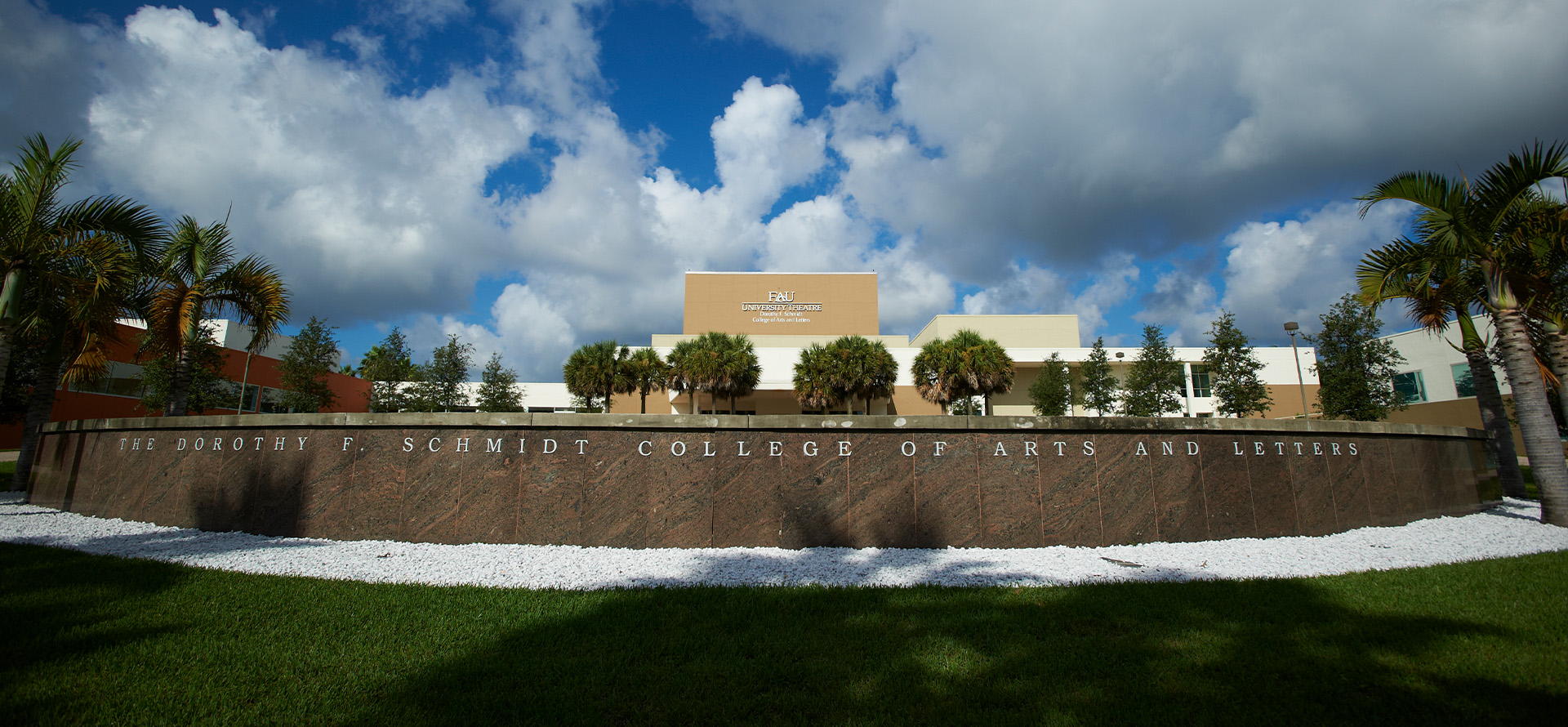


Public Administration at Florida Atlantic University is about preparing you to lead, manage, and make a difference in your community and beyond. You’ll learn how government, nonprofit, and public safety organizations work—and how you can help them serve people better. Whether you’re interested in emergency management, public policy, or organizational leadership, this area of study gives you the tools to solve real-world challenges and build a safer, more effective society.
About Public Administration at FAU
Florida Atlantic’s School of Public Administration stands out for its strong connections to South Florida’s dynamic communities and its commitment to hands-on learning. You’ll study with faculty who are active researchers and experienced professionals, and you’ll have opportunities to intern with local governments, nonprofits, and public safety agencies. The school offers flexible online and in-person options, nationally ranked programs, and a curriculum that blends theory with practical skills—so you graduate ready to lead in a rapidly changing world.
Degrees Offered at Florida Atlantic
Undergraduate Degrees
- Bachelor of Public Safety Administration (BPSA)
- Concentrations: Law Enforcement and Corrections, Disaster Management
- Bachelor of Public Management (see program page for details)
Graduate Degrees
- Master of Public Administration (MPA)
- Master of Nonprofit Management (MNM)
- Ph.D. in Public Administration
Minors and Certificates
- Minor in Public Management
- Minor in Nonprofit Management
- Interdisciplinary Minor in Disaster Management
Graduate Certificates
- Nonprofit Executive Leadership
- Public Ethics and Leadership
- Public Procurement
- Public Policy
Explore Degree Programs in Public Administration
Educational Objectives & Student Outcomes
2. Provide a strong foundation in public policy, budgeting, ethics, and organizational behavior.
3. Foster analytical, technical, and practical skills for effective decision-making.
4. Encourage lifelong learning and professional development.
5. Promote ethical public service and community engagement.
2. Apply critical thinking and problem-solving skills to real-world public sector challenges.
3. Communicate effectively in professional settings.
4. Analyze and interpret public policies, budgets, and organizational processes.
5. Exhibit ethical decision-making and leadership in diverse environments.
6. Engage in research, internships, or service projects that connect classroom learning to community needs.
Frequently Asked Questions