Florida Atlantic’s School Leadership programs stand out for their strong partnerships with local school districts, flexible course formats (including online, evening, and weekend options), and a focus on real-world leadership challenges. You’ll join a community of learners and mentors, benefit from hands-on experiences, and be supported by faculty who are active in research and practice. FAU’s programs are recognized by U.S. News & World Report for excellence in graduate education and online learning.
Degrees Offered at Florida Atlantic
Undergraduate
- Leadership Studies Minor
Graduate
- Master’s in Educational Leadership (with leadership certification)
- Specialist in Educational Leadership (with or without certification)
- Doctor of Philosophy (Ph.D.) in Educational Leadership
- Educational Specialist (Ed.S.) in Counselor Education
Explore Degree Programs in School Leadership
Loading...
Educational Objectives & Student Outcomes
1. Prepare ethical, reflective, and effective leaders for K-12 schools.
2. Develop expertise in leadership theory, research, and practice.
3. Foster skills to lead diverse school communities and drive school improvement.
4. Build capacity for data-driven decision-making and strategic planning.
5. Support continuous professional growth and collaboration.
2. Develop expertise in leadership theory, research, and practice.
3. Foster skills to lead diverse school communities and drive school improvement.
4. Build capacity for data-driven decision-making and strategic planning.
5. Support continuous professional growth and collaboration.
1. Apply leadership knowledge to real-world school challenges.
2. Demonstrate effective communication and collaboration with stakeholders.
3. Lead school improvement initiatives that enhance student learning.
4. Use research and data to inform decisions and solve problems.
5. Model ethical leadership and advocate for equitable, high-quality education.
2. Demonstrate effective communication and collaboration with stakeholders.
3. Lead school improvement initiatives that enhance student learning.
4. Use research and data to inform decisions and solve problems.
5. Model ethical leadership and advocate for equitable, high-quality education.
Explore the Latest News in School Leadership (K-12)

Dr. Jennifer Bebergal
Associate Dean, Academic Support and Student Learning
College of Education
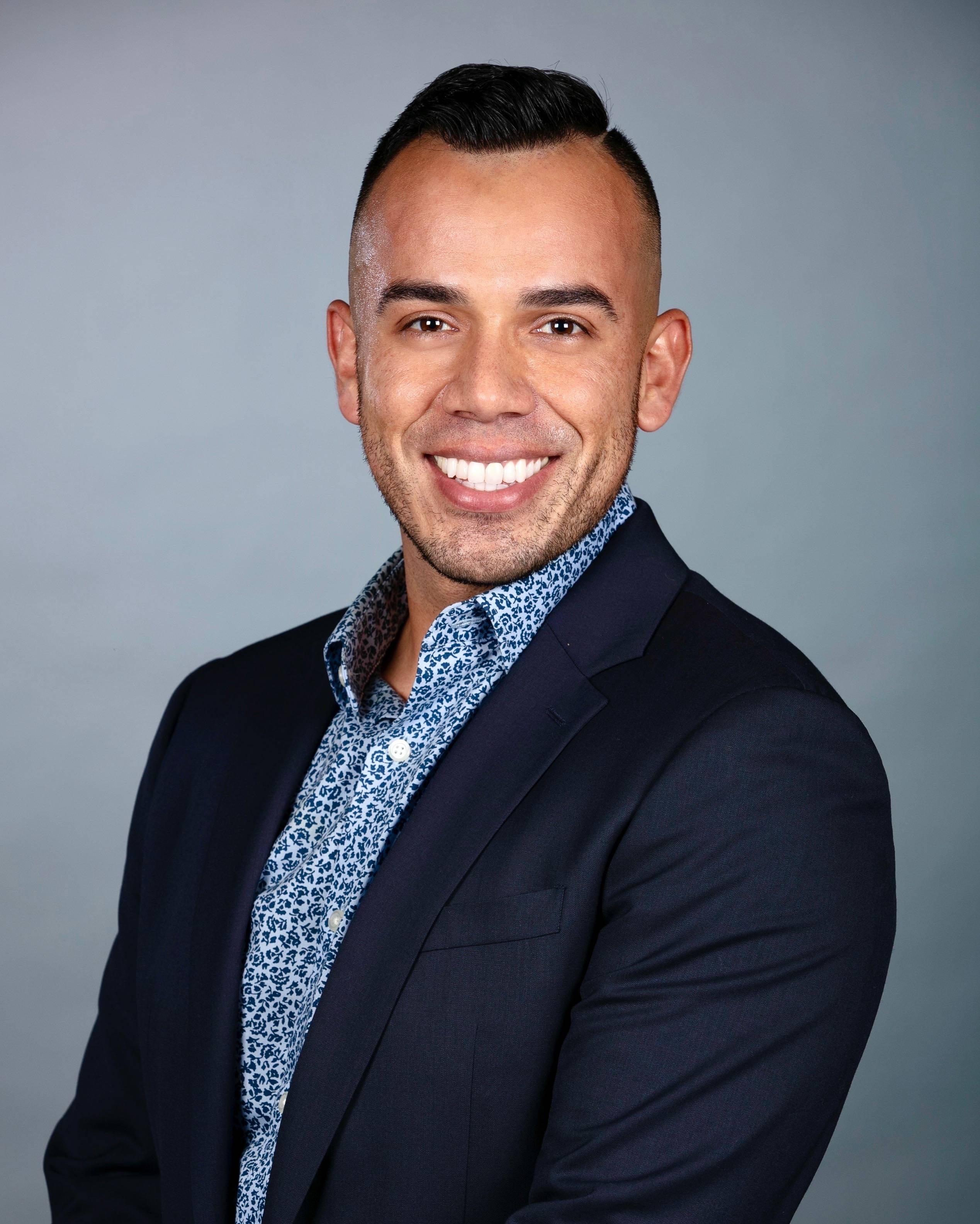
Cristobal Salinas, Jr., Ph.D.
Associate Dean
The Graduate College